
Spend enough time looking at Rajasthan travel content, and you start to notice a pattern. Every article opens the same way, lists the same five cities in the same order, and signs off with a vague invitation to “experience the magic.” The people reading it — usually UK travellers trying to plan a serious two-week trip — are left no closer to knowing which palace hotels are genuinely worth it, whether they should spend three nights in Udaipur or two, or why their itinerary keeps feeling too rushed on paper.
This is not that article. Here is what a properly planned Rajasthan luxury tour actually looks like, why it works for UK travellers specifically, and where the real depth of this destination lives.
Start With the Golden Triangle — But Know What You’re Actually Getting
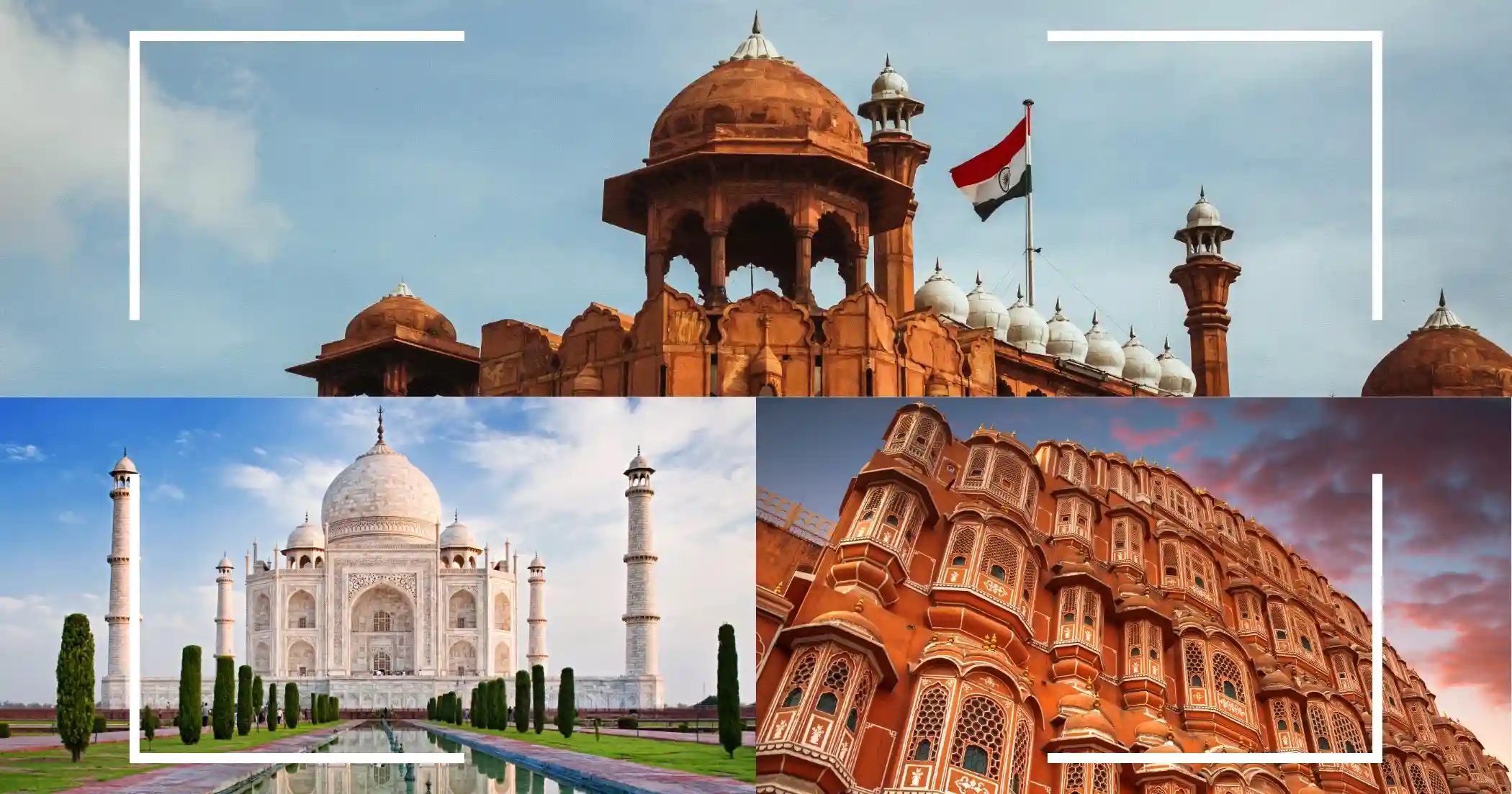
The Golden Triangle Tour India — Delhi, Agra, Jaipur — is the entry point to almost every luxury India itinerary, and rightly so. But most travellers treat it as a checklist rather than an experience, moving through each city in a day and wondering why nothing feels as substantial as they expected.
Done with time and intention, each city in the triangle is a different civilisation layered on top of itself.
Delhi alone deserves two full days minimum. Humayun’s Tomb — built in 1570, a full 80 years before the Taj Mahal and the direct architectural prototype for it — is consistently underestimated. Most visitors spend 20 minutes there on the way to the Taj. The ones who linger understand why UNESCO listed it. The Red Fort, the Jama Masjid, Lodi Garden, and Qutub Minar are not supporting acts to the Taj Mahal — they are headline monuments in their own right.
Agra means the Taj Mahal, and the Taj Mahal means arriving at sunrise. Built by Mughal Emperor Shah Jahan in memory of his wife Mumtaz Mahal and completed in 1653, it is built in white Makrana marble with inlaid semi-precious stones. The garden design follows Persian char bagh principles — four quadrants divided by water channels. None of that matters when you are standing in front of it at 6 am with light turning the marble from grey to gold.
No photograph prepares you for the scale. The Agra Fort — started by Akbar in 1565, completed in 1574 in red sandstone — and Fatehpur Sikri (Akbar’s abandoned city, a 40km drive west) complete Agra properly and are worth the time most group tours don’t give them.
Jaipur was founded in 1727 by Maharaja Sawai Jai Singh II — India’s first planned city, laid out in a grid with six zones following ancient Hindu architectural principles. The Amber Fort, 12 kilometres outside the city, overlooks Maota Lake and is built in yellow and pink sandstone with white marble interiors.
The Jantar Mantar observatory, also built by Sawai Jai Singh, contains 19 astronomical instruments still accurate enough to predict eclipses. These are not tourist attractions to tick off. They are genuinely extraordinary buildings by genuinely extraordinary people, and a private guide who knows the history makes all the difference between understanding that and missing it entirely.
Rajasthan Proper — Where the Luxury Gets Serious
Beyond Jaipur, Rajasthan opens into a sequence of cities that most UK travellers underestimate until they are standing inside them.
Jodhpur
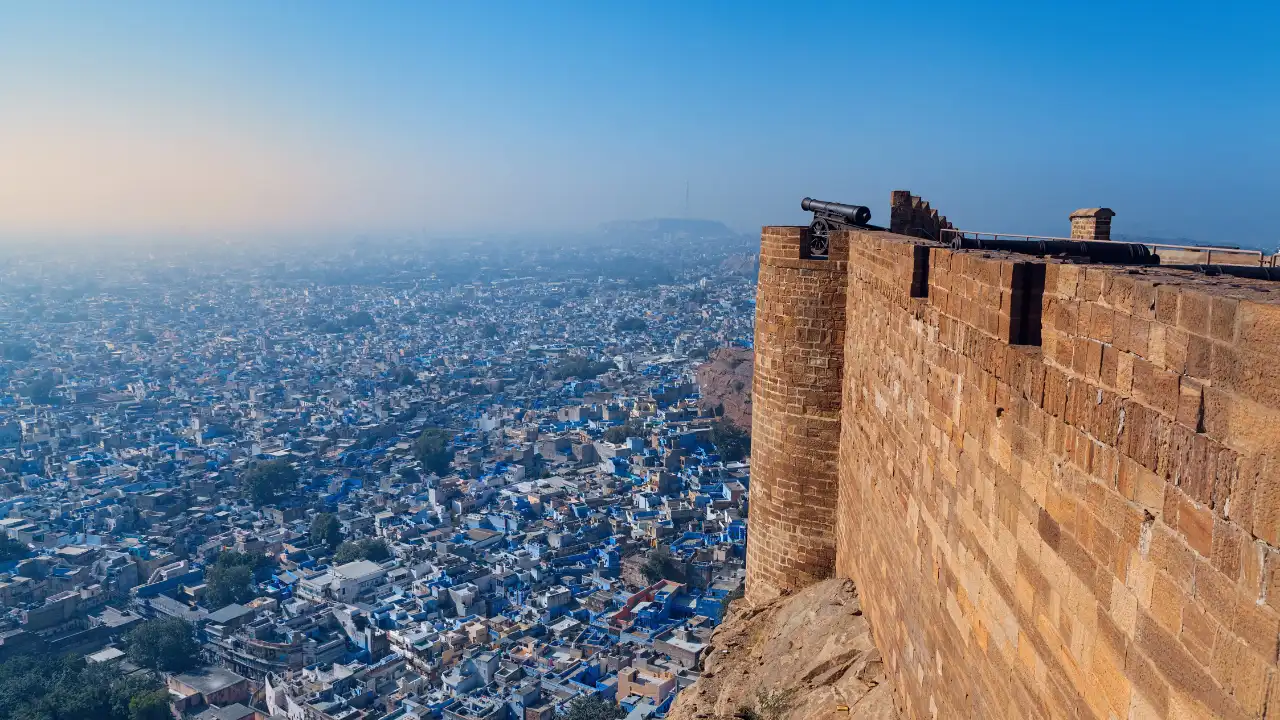
The Blue City is built around Mehrangarh Fort, started by Rao Jodha in the 15th century on a 125-metre rock outcrop above the city. The fort contains seven gates (each commemorating a military victory), a museum with one of India’s finest collections of royal palanquins, arms, and costumes, and palaces — Moti Mahal, Phool Mahal, Sheesh Mahal — each built by different rulers across different centuries.
The Umaid Bhawan Palace, built between 1928 and 1943 to the designs of British architect Henry Vaughan Lanchester, blends Art Deco with Indo-Saracenic on 26 acres of grounds. Still partly the residence of the Jodhpur royal family, the Taj-managed hotel section has 70 rooms and suites — a hotel where the family genuinely lives upstairs is not something you encounter on many luxury trips anywhere in the world.
Udaipur
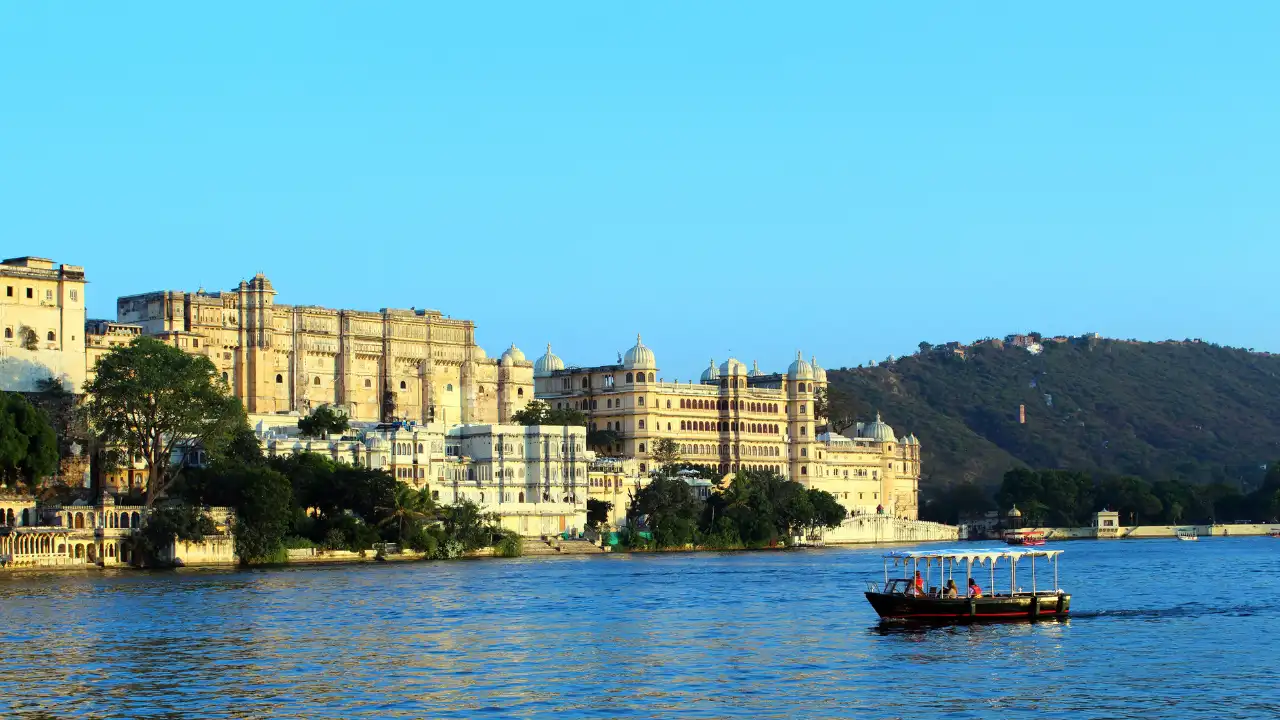
It remains the most visually romantic city on any India Luxury Holidays itinerary. The Lake Palace, originally built in 1746 by Maharana Jagat Singh II on a natural island in Lake Pichola, appears to float. The City Palace — a 400-year accumulation of buildings by successive Maharanas — dominates the eastern shore. Two or three nights here is the right amount of time. One night is not.
Jaisalmer
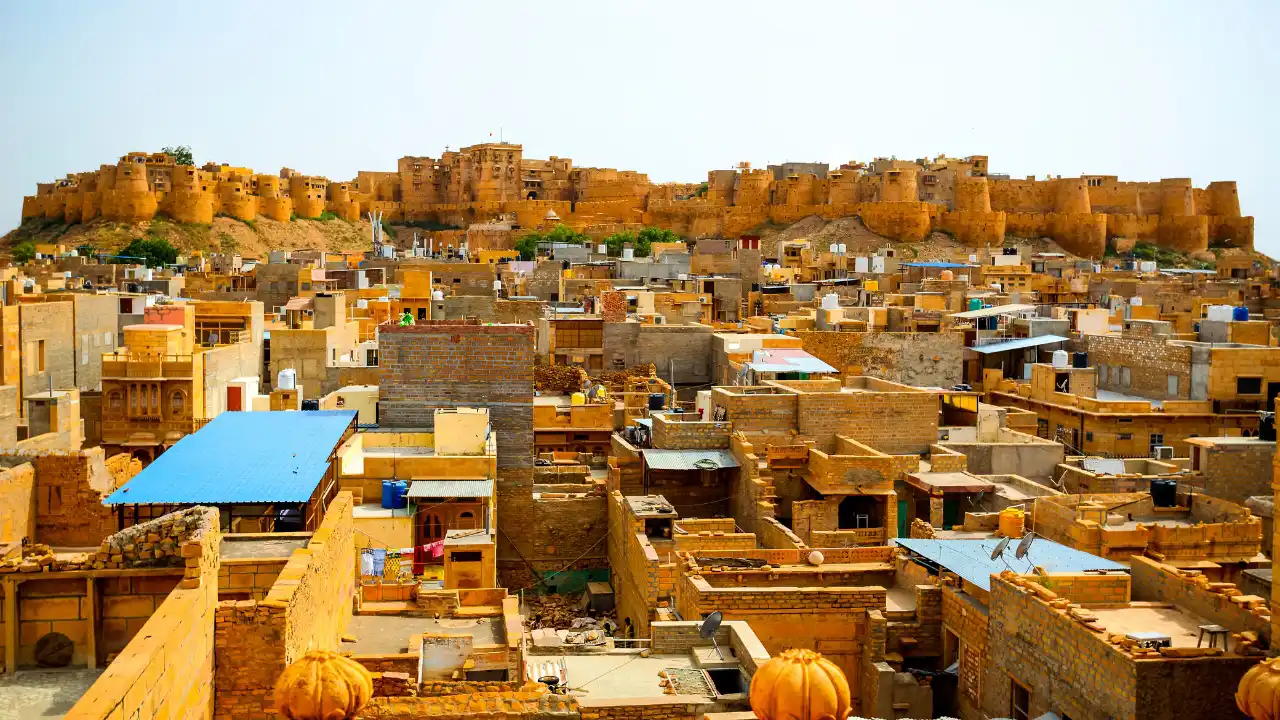
The city sits three hours deeper into the Thar Desert than most itineraries bother to reach, and that distance is exactly why it feels so different. The living fort — Sonar Quila, the Golden Fort, built in 1156 — has families inside who have lived within its walls for generations. Desert camps outside the city, with private dune access for stargazing, represent a form of luxury that has nothing to do with thread counts.
The Palace Hotels — What to Actually Look For 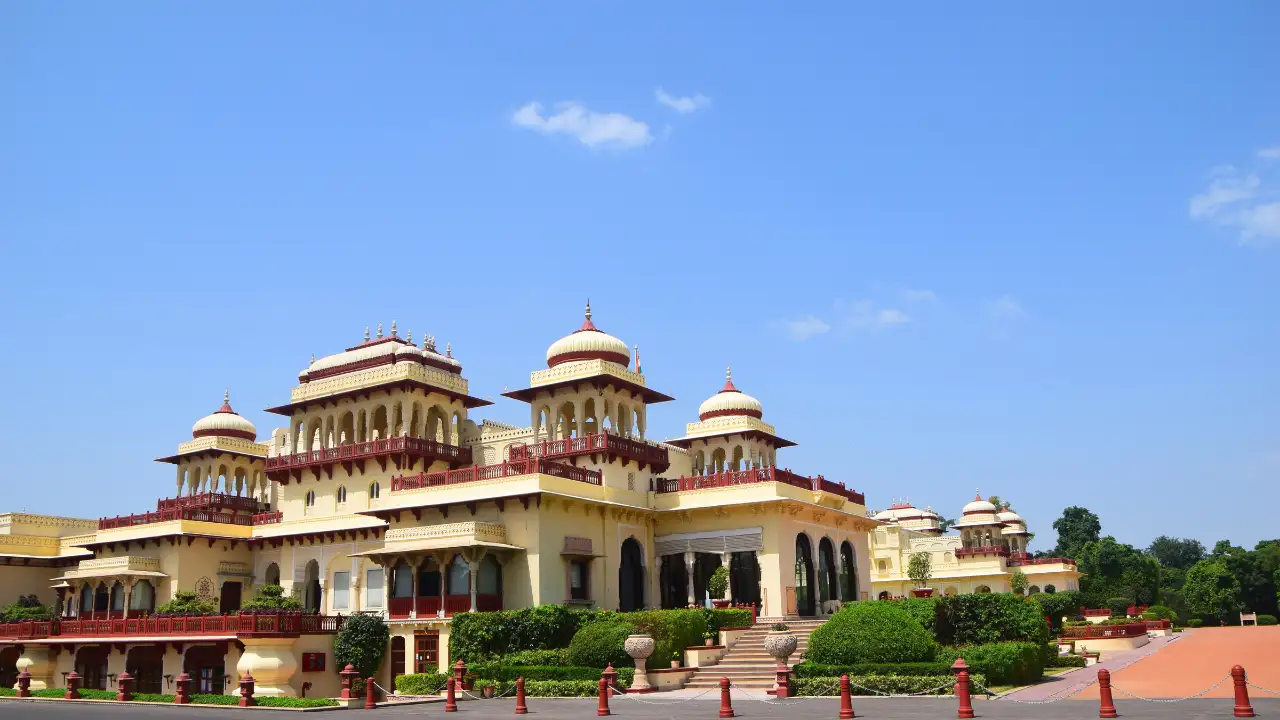
Not all heritage properties are equal, and the gap between a beautifully restored royal palace and a heritage property that trades on atmosphere but underdelivers on the basics is wider than most travel brochures admit.
The properties consistently worth the premium are those still connected to the families that built them — where the context of the building is inseparable from the service and the experience. The Rambagh Palace in Jaipur was the residence of the Maharaja of Jaipur before becoming a hotel. Samode Palace, 475 years old and about 45 minutes from Jaipur, has been in the same family for generations. These are different from new-build properties designed to look old — the difference is felt immediately when you’re inside them.
For UK travellers on Rajasthan Holidays from the UK, the key question before booking any palace property is: does this hotel know who you are before you arrive, and does the service reflect that? The best heritage hotels in Rajasthan send their senior staff to personally meet guests at the airport. The others send a driver with a name card. That distinction matters over a two-week trip more than the quality of the pool.
Adding Wildlife — The Case for Ranthambore
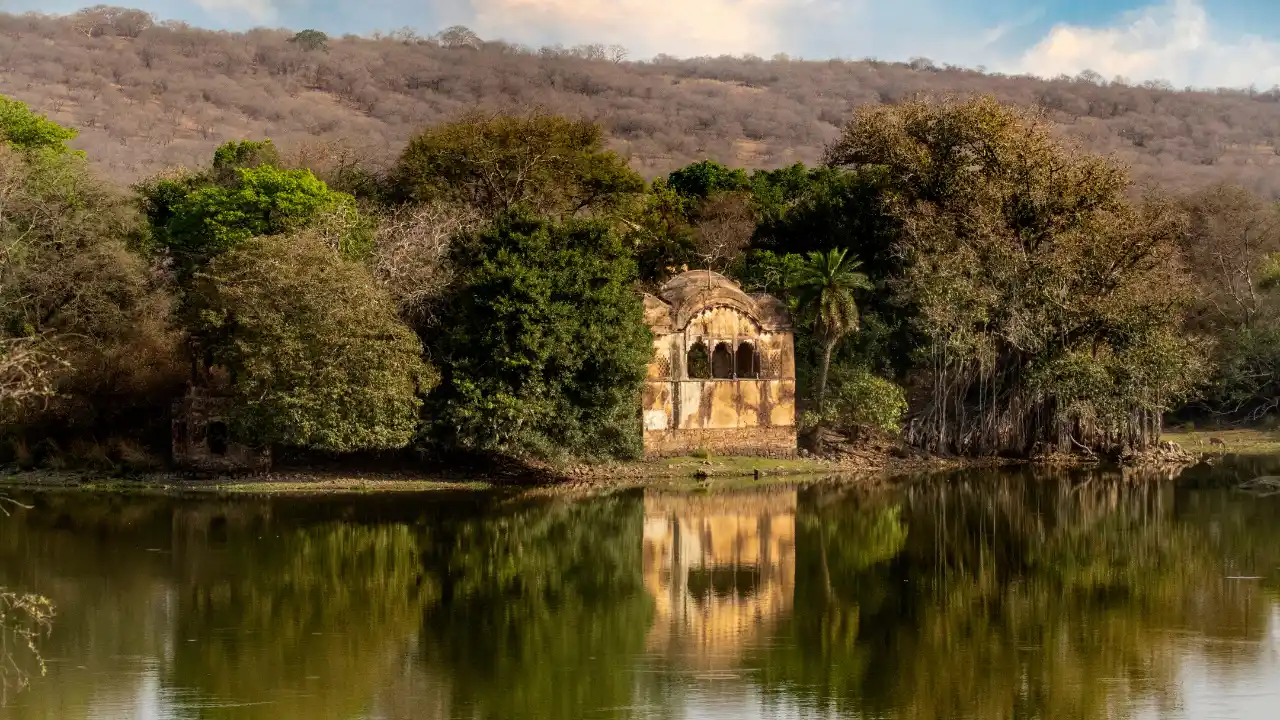
India Wildlife Tours from the UK increasingly include Ranthambore National Park as a Rajasthan extension, and this combination works better than most people expect. Ranthambore is one of India’s great tiger conservation success stories — one of the country’s original nine Project Tiger reserves since 1973, and today its strongest stronghold, with a population that has climbed to nearly 70 tigers, among the highest densities anywhere in India.
The practical case for adding two nights is simple: Ranthambore sits 180 kilometres south of Jaipur and 180 kilometres north of Agra — directly on the road between them. Routing through Ranthambore adds wildlife without adding extra travel distance. A morning safari after a palace hotel in Jaipur, followed by a return to heritage luxury in Agra, produces exactly the kind of varied luxury itinerary that UK travellers consistently describe as a highlight on their return
Pacing — The Mistake Most UK Travellers Make
Two weeks in the UK allow for a proper Rajasthan luxury trip. One week does not — it produces a rushed sequence of impressions rather than an experience. The travellers who come back genuinely satisfied are the ones who spent three nights in Udaipur instead of two, who had an afternoon in Fatehpur Sikri that wasn’t cut short by an airport transfer, who could return to the Taj Mahal at both sunrise and sunset.
October through March is the right window. October and November give you post-monsoon green, comfortable temperatures, and light that photographers specifically travel for. December and January are cooler in the evenings — worth a light layer — but are ideal for safaris if Ranthambore is on the itinerary. February and March bring warmth and wildflower colour to the desert edges.
Plan It With Chai Rose Travels
A Rajasthan luxury tour is not difficult to book. A Rajasthan luxury tour that is paced correctly, uses the right private guides in each city, matches your palace hotel to your actual preferences, and leaves you feeling you saw the place rather than processed it — that takes genuine expertise.
Chai Rose Travels is a UK-based specialist in escorted luxury tours across India, with the knowledge to build a Golden Triangle Tour India that extends into Rajasthan properly, includes the right Ranthambore stopover for those who want wildlife, and matches heritage accommodation to the character of each city rather than just filling hotel nights. Their approach is personalised rather than packaged — you tell them what kind of experience you’re after, and they build around that rather than fitting you into an existing itinerary. For anyone serious about getting Rajasthan right from the UK, that conversation is the right place to start.
Frequently Asked Questions
Q1: What is the best time to visit Rajasthan for a luxury holiday?
The best time to enjoy a luxury holiday in Rajasthan is between October and March, when the weather is pleasant for sightseeing, palace stays, and wildlife safaris. Winter months offer comfortable daytime temperatures, making it easier to explore historic cities such as Jaipur, Udaipur, Jodhpur, and Jaisalmer. If you plan to visit Ranthambore National Park, this season also provides excellent safari conditions.
Q2: What is the ideal duration for a luxury Rajasthan tour from the UK?
Give it at least two weeks. Rajasthan isn’t a place to rush through, and two weeks give you room to breathe — two full days in Delhi, a few relaxed nights each in Udaipur and Jaipur, and enough time to properly take in Agra, Jodhpur, and Ranthambore along the way instead of ticking them off in a blur.
Q3: Why should Ranthambore National Park be added to a luxury Rajasthan itinerary?
Because it’s already on your route. Ranthambore sits right between Jaipur and Agra, so adding it doesn’t mean extra travel — just extra reward. You get to step out of palace hotels one morning and into a jeep for a tiger safari the next, which makes for a holiday with real range: heritage one day, wilderness the next.
Q4: How do I choose the best heritage palace hotel in Rajasthan?
Look for properties still connected to the royal families who actually built them — places like Rambagh or Samode Palace. The real giveaway of genuine luxury isn’t the décor; it’s the service: at the best heritage hotels, someone from senior management greets you personally when you arrive.